Let’s face it – we all deal with slow-draining toilets or weird smells coming from the bathroom at some point. While cleaning a toilet drain pipe isn’t anyone’s idea of a fun weekend activity, it’s something that needs to be done from time to time.
Some of the links in this article may be affiliate links. If you make a purchase through these links, we may earn a small commission at no extra cost to you. Thank you.
According to Roger Wakefield, a master plumber with over 40 years of experience, “Most toilet clogs can be prevented with regular maintenance and being careful about what gets flushed. The longer you wait to address drainage issues, the bigger the problem can become.”
Instead of waiting until there’s a real problem, it’s better to take care of your toilet drain pipe before small issues turn into big headaches that require an emergency plumber visit. Think of it like going to the dentist – a little regular maintenance now can save you from bigger troubles later.
When that toilet starts draining slowly or giving off unpleasant odors, it’s telling you it’s time for some attention. The good news is that you don’t need to be a plumbing expert to handle basic toilet drain cleaning. With the right tools and a bit of effort, you can keep your toilet working properly and avoid those embarrassing bathroom situations.
Stinky Pipe Problems
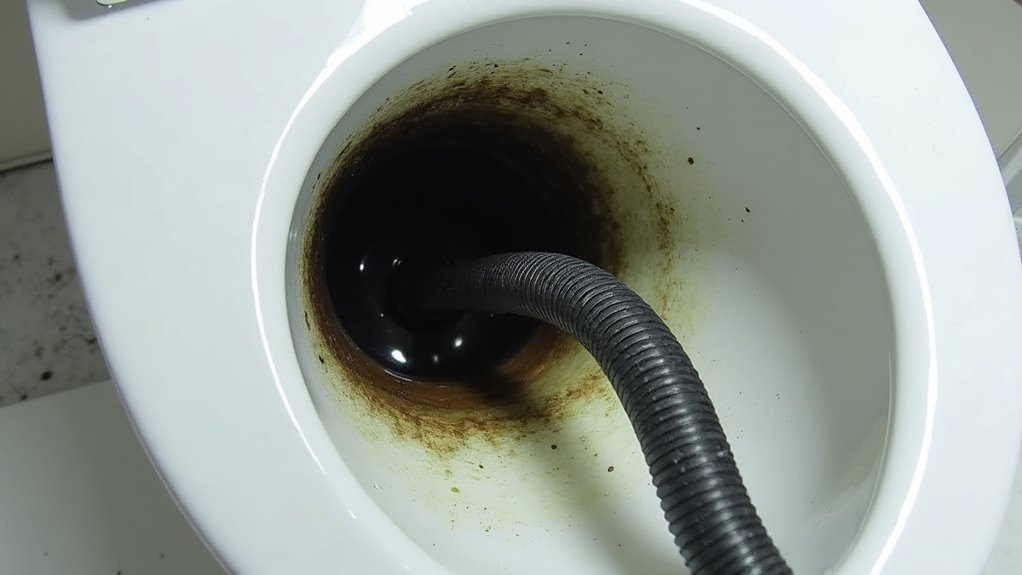
Why does your toilet smell so bad even after cleaning the bowl?
The culprit is likely bacterial buildup in your pipes.
When hair, grease, and organic matter collect in drains, bacteria feast on these residues and produce those awful smells within hours.
We find that most people don’t realize these odors come from deep within the plumbing, not just the bowl itself. Regular toilet tank cleaning can help prevent such issues by minimizing buildup and maintaining hygiene.
##
Let’s talk about how to properly handle your toilet drain pipe cleaning.
We’ll cover some essential do’s and don’ts that might save you from a plumbing disaster, as well as step-by-step instructions to get that drain flowing freely again. Regular maintenance, including monthly cleanings, can help prevent serious clogs and unpleasant odors from developing in your bathroom.
I think you’ll find these tips particularly helpful if you’ve been dealing with recurring clogs or unusual odors coming from your bathroom.
Things to Do When Cleaning a toilet drain pipe
Cleaning a toilet drain pipe is an essential maintenance task that prevents severe clogs and maintains proper bathroom function.
When blockages occur, addressing them promptly can save you from costly plumbing repairs and unpleasant overflows.
With the right approach and household ingredients or tools, you can effectively clear most toilet pipe obstructions and restore normal drainage without calling a professional.
- Inspect the toilet trap with a flashlight to identify visible obstructions that can be safely removed by hand while wearing protective gloves.
- Use a baking soda and vinegar solution (half cup each) to create a natural cleaning reaction that helps dissolve minor clogs, followed by hot water to flush debris away.
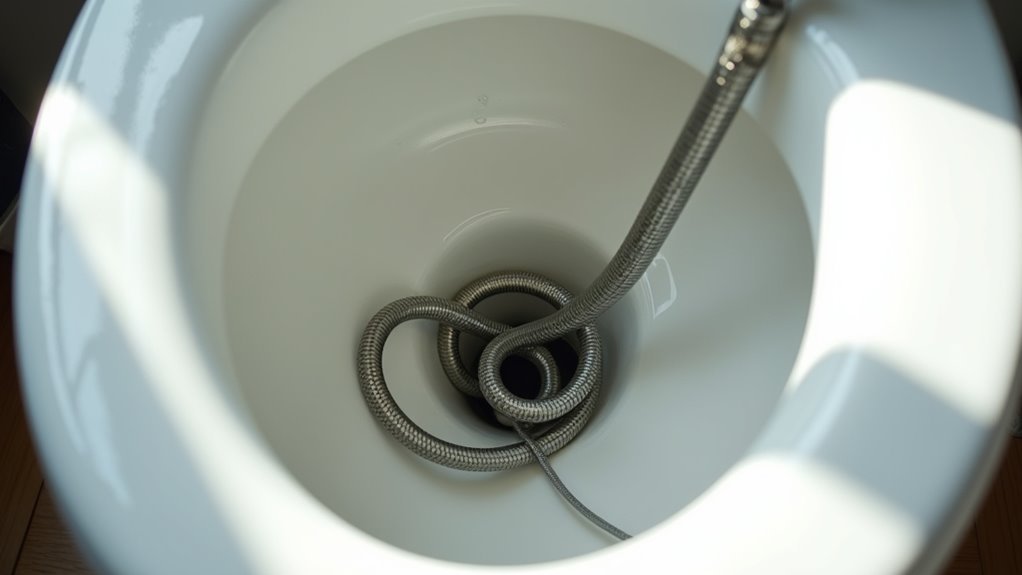
- Deploy a toilet auger for stubborn blockages by inserting it into the drain, rotating the handle to break up the clog, and then removing the tool before flushing to test results.
- Apply the hot water and dish soap method by adding half a cup of detergent to the bowl and pouring in hot (not boiling) water, allowing it to sit for 15 minutes to lubricate and break down greasy substances.
- Utilize commercial drain cleaners according to product instructions, typically letting them work for 4-8 hours to dissolve organic materials before thoroughly flushing the system.
Things to Avoid When Cleaning a toilet drain pipe
When cleaning toilet drain pipes, it’s important to be aware of potentially harmful practices that could damage your plumbing or pose health risks.
While it might be tempting to use aggressive methods to clear stubborn clogs, taking shortcuts can lead to costly repairs and even personal injury if proper precautions aren’t followed.
- Chemical drain cleaners without protection: Never use lye-based chemical cleaners without wearing protective gloves, as these caustic substances can cause painful skin burns on contact.
- Forceful augering: Avoid pushing augers or snakes aggressively into the drain, which can scratch or damage pipe surfaces, potentially creating rough spots where future clogs are more likely to form.
- Boiling water: Don’t pour boiling water into toilet drains, especially with older porcelain pipes, as the extreme temperature can cause cracking; use hot (not boiling) water instead.
- Inhaling cleaning product fumes: Keep your face away from the toilet when using cleaning products and guarantee proper ventilation to prevent respiratory irritation from potentially harmful chemical fumes.
- DIY attempts on deep clogs: Refrain from repeatedly trying to clear stubborn, deep clogs with household tools, as unsuccessful attempts may compact the blockage and make professional removal more difficult and expensive.
Steps
Cleaning a toilet drain pipe effectively requires a systematic approach to identify and remove blockages that can cause slow draining or complete clogs.
By using the right tools and techniques, you can clear your toilet drain without having to call a professional plumber in most cases.
The process involves inspection, preparation, careful insertion of cleaning tools, blockage removal, and verification that the clog has been successfully eliminated.
Step 1: Inspect the toilet trap with a flashlight to identify any visible obstructions or foreign objects that may be causing the blockage.
Step 2: Put on protective gloves and manually remove any visible debris that can be safely reached.
Step 3: Prepare your cleaning tools by attaching a pipe grabber to a flexible shaft and covering it with a protective sleeve to prevent damage to pipes.
Step 4: Carefully insert the flexible shaft into the toilet drain, pushing gently until you encounter resistance.
Step 5: Navigate the shaft through any pipe bends to reach the location of the blockage.
Step 6: Use the pipe grabber attachment to extract soft items like wet wipes, or switch to a smart cutter or cleaning chain for harder clogs.
Step 7: Select the appropriate cutting tool based on your pipe material (such as PVC) to safely break up stubborn blockages.
Step 8: Remove the cleaning shaft from the toilet completely once you believe the clog is cleared.
Step 9: Flush the toilet multiple times to verify that water drains smoothly and completely.
Step 10: Confirm the sewer line is clear and free of obstructions by observing normal water flow.
Final Thoughts
Maintaining your toilet drain pipe doesn’t have to be a dreaded chore that we only think about when disaster strikes.
We recommend weekly cleanings with baking soda and vinegar as a simple preventive measure.
For stubborn issues, perhaps it’s worth investing in professional services.
They’re likely cheaper than dealing with water damage, and honestly, the peace of mind is priceless.
##
Maintaining clean toilet drain pipes doesn’t have to be a challenging task.
By implementing regular maintenance with natural solutions like baking soda and vinegar or hot water with dish detergent, you can prevent many clogs before they start.
When blockages do occur, start with the simplest solution—a plunger—before moving to more intensive methods like an auger.
Remember that prevention is always easier than dealing with a major clog.
Watching what goes down your toilet and performing monthly maintenance can save you time, money, and the stress of emergency plumbing situations.
However, don’t hesitate to call professionals when facing persistent problems, as they’ve the specialized equipment to address deeper pipe issues.
Take action today by choosing one of these methods to clean your toilet drain pipes. Regular maintenance of your plumbing system will thank you, and you’ll gain peace of mind knowing you’re protecting one of your home’s most essential systems from costly damage.