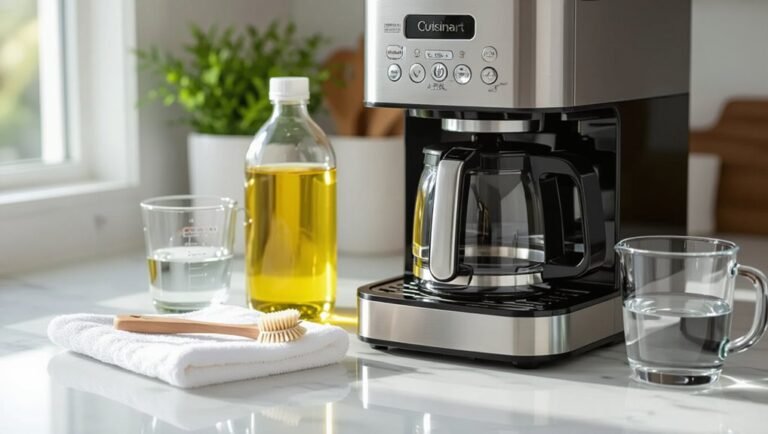
Cleaning a glass kettle takes more than just a quick rinse, even though many people think that’s all it needs. Limescale – the white, chalky buildup that comes from minerals in water – can collect quickly, especially in areas with hard water. According to Sarah Smith, product specialist at Consumers Reports, “Limescale can not only affect the taste of your beverages but can also reduce your kettle’s efficiency by up to 10%.” Nobody wants their morning tea tasting funny because of old mineral deposits, so keeping your glass kettle clean is really important for both taste and function.
Some of the links in this article may be affiliate links. If you make a purchase through these links, we may earn a small commission at no extra cost to you. Thank you.
Why Glass Kettles Matter
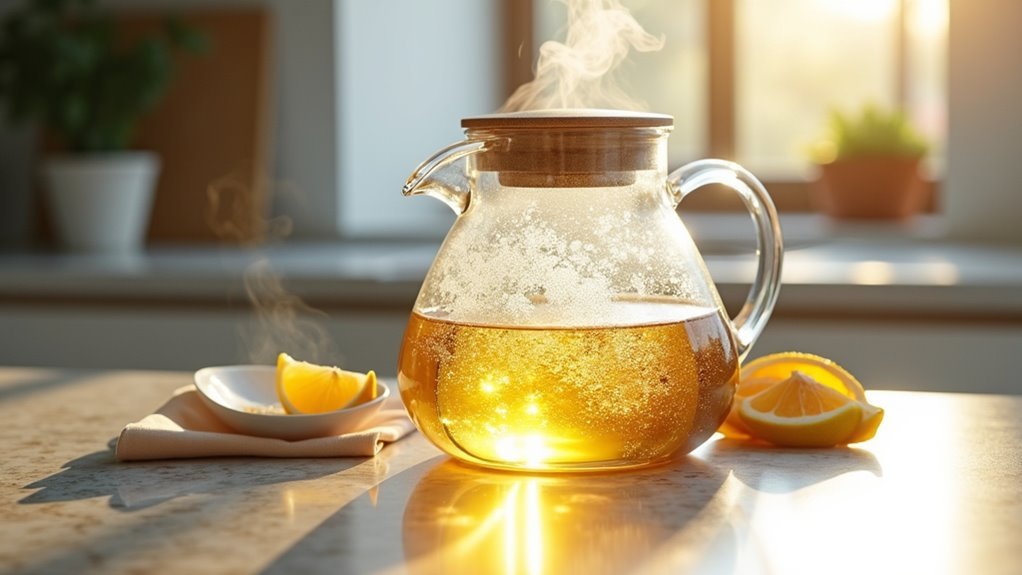
Why do we bother with glass kettles when there are so many other options available? Well, they’re actually quite practical. The transparency lets us spot limescale buildup immediately, which means we can clean it before it affects performance. I think what we love most is seeing exactly what’s happening with our water. Plus, they’re easier to maintain for longer lifespans, especially in hard water areas. Regular maintenance prevents mineral buildup and ensures optimal performance of the kettle.
##
We’ve covered why glass kettles are special, and now let’s talk about how to keep them looking their best.
I think maintaining the exterior of your kettle is just as important as cleaning the inside, perhaps even more so since it’s what everyone sees. Regular use of vinegar solution can effectively help prevent mineral buildup and keep your kettle sparkling.
We’ll share some practical dos and don’ts for cleaning the outside of your glass kettle, walk through simple steps you can follow, and wrap up with some final thoughts on keeping your kettle sparkling.
Things to Do When Cleaning A glass kettle
Cleaning a glass kettle regularly is essential to maintain its appearance and functionality while ensuring your beverages taste their best.
Mineral deposits and limescale can build up over time, especially in areas with hard water, affecting both the kettle’s efficiency and the flavor of your drinks.
Fortunately, there are several effective, natural cleaning methods that can easily remove these deposits without damaging your glass kettle.
- Use a vinegar solution – Mix equal parts water and white vinegar, boil the mixture in your kettle, then let it sit for 15-20 minutes to dissolve limescale before rinsing thoroughly.
- Try the lemon method – Add juice from one lemon to water filled halfway in the kettle, boil the mixture for effective mineral removal, and let it sit for 20 minutes before multiple rinses.
- Apply baking soda – Combine 1-2 teaspoons of baking soda with water in your kettle, boil the solution, allow it to sit for 20 minutes, then gently scrub with a soft cloth before rinsing.
- Allow extended soaking – For stubborn limescale, let your chosen cleaning solution sit in the kettle overnight for more thorough removal of buildup.
- Clean the exterior properly – Use a damp cloth with mild soap for the outside of the kettle, rinse with clean water, and dry immediately to prevent water spots.
Things to Avoid When Cleaning A glass kettle
When cleaning a glass kettle, it’s crucial to use the right techniques to maintain its functionality and appearance.
Glass kettles require careful handling to prevent damage to both the glass components and the electrical elements that power them.
The transparent nature of glass makes these kettles appealing for their aesthetic value, but this same quality means that any improper cleaning methods will be immediately visible and potentially compromise the kettle’s performance.
- Abrasive brushes or sponges – These can create scratches on the glass surface and may damage the heating element, leading to reduced efficiency and potentially shortened lifespan of the kettle.
- Harsh chemical descalers – Commercial descaling products with strong chemicals can corrode the glass material and leave harmful residues that may contaminate future beverages; natural alternatives like vinegar or lemon juice are safer options.
- Full water immersion – Submerging a glass kettle completely in water can damage electrical components and lead to short circuits or permanent damage, particularly if water seeps into areas containing wiring.
- Dish soap inside the kettle – Soap residue can be difficult to rinse away completely and often leaves behind a film that affects the taste and quality of water boiled afterward.
- Vigorous scrubbing – Applying too much pressure when cleaning can weaken the glass structure over time or even cause immediate cracks, especially if the glass has minor imperfections.
Steps
Keeping your glass kettle clean is essential not only for maintaining its aesthetic appeal but also for guaranteeing ideal performance and extending its lifespan.
Mineral deposits from hard water can build up over time, causing limescale that affects both the appearance of your kettle and potentially the taste of your beverages.
Fortunately, cleaning a glass kettle is a straightforward process using simple household ingredients that effectively dissolve these mineral deposits without harsh chemicals.
Step 1: Create a cleaning solution by mixing one part white distilled vinegar with three parts fresh water, filling the kettle no more than one-third full.
Step 2: Bring the vinegar-water mixture to a boil in the kettle.
Step 3: Once boiled, turn off the kettle and allow the solution to sit for 20 minutes to break down the limescale deposits.
Step 4: After soaking, use a soft sponge or cloth to gently scrub the interior of the kettle, focusing on areas with visible mineral buildup.
Step 5: Pour out the vinegar solution and rinse the kettle thoroughly multiple times with fresh water.
Step 6: For stubborn limescale deposits, repeat the process or let the vinegar solution sit in the kettle overnight.
Step 7: Perform a final rinse to guarantee all vinegar residue is removed before using the kettle again.
Final Thoughts
Maintaining a sparkling clean glass kettle doesn’t need to be complicated or time-consuming, yet the benefits are substantial.
With regular descaling every few months and simple natural solutions like vinegar or lemon juice, you’ll extend your kettle’s life considerably.
I think we often forget that prevention is easier than cure.
Perhaps the most important takeaway is consistency—a little maintenance goes a long way!
##
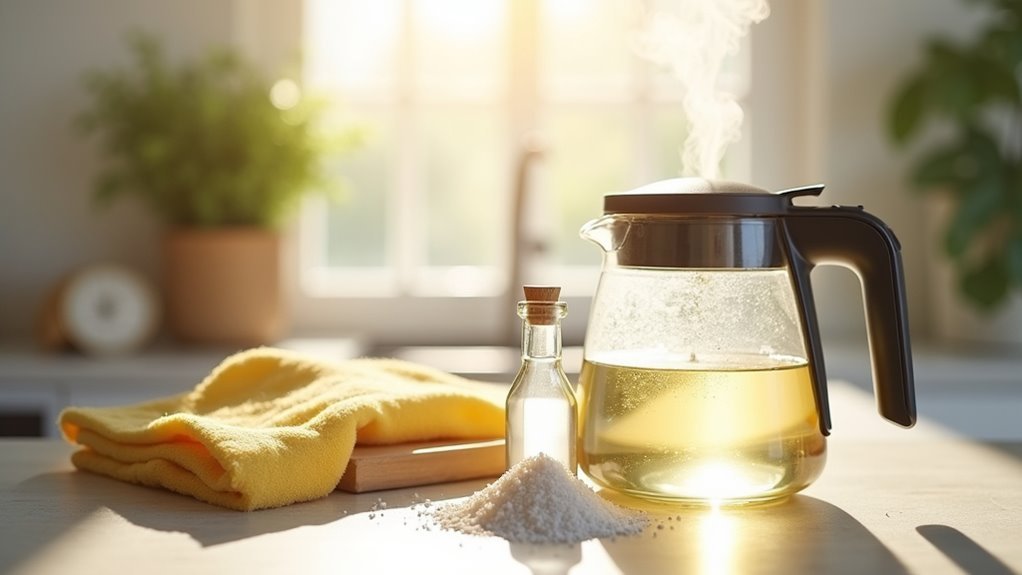
Maintaining a clean glass kettle isn’t just about aesthetics—it’s essential for efficiency, longevity, and the quality of your beverages.
Whether you choose vinegar, lemon juice, or baking soda, regular descaling every one to three months will keep mineral deposits at bay and your kettle performing at its best. Remember that the frequency of cleaning depends on your water hardness—those in hard water areas may need to clean more often.
After any cleaning method, thorough rinsing is vital to prevent any cleaning solution from affecting the taste of your drinks. Additionally, regular care of your appliances can significantly enhance their performance and lifespan.
Take a few minutes today to descale your kettle using one of these simple methods. Your morning cup of tea or coffee will taste better, your kettle will heat more efficiently, and you’ll extend the life of your appliance.
A small investment of time now prevents bigger problems later—and keeps that beautiful glass kettle crystal clear for years to come.