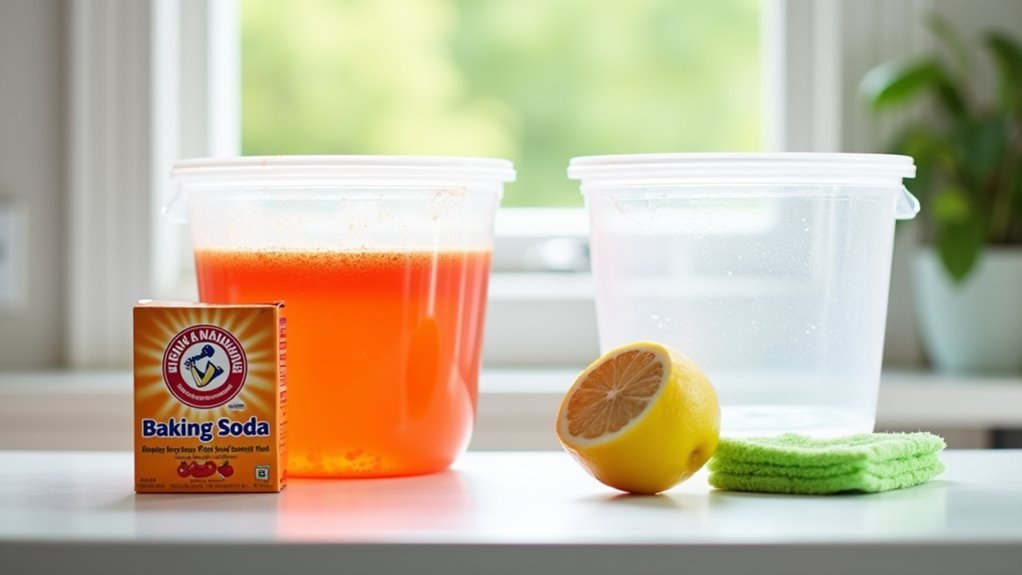
We’ve all opened a clean Tupperware container that’s now covered in orange stains from last week’s spaghetti sauce. It’s annoying, but there are simple ways to clean them! Many people have found success using common household items like baking soda and vinegar instead of strong cleaning products.
Some of the links in this article may be affiliate links. If you make a purchase through these links, we may earn a small commission at no extra cost to you. Thank you.
According to Carolyn Forte, Director of Home Care & Cleaning Products at Good Housekeeping, “The key is to tackle the stains as soon as possible. The longer you wait, the harder they are to remove.”
Making a paste with baking soda and water works great on tough stains. You can also try soaking your containers in white vinegar mixed with warm water. Both methods are safe and won’t damage your containers. While some stains might stick around if you use your containers often, these cleaning tricks will help keep most of your Tupperware looking clean and fresh.
Removing Those Stubborn Stains
How frustrating is it when your favorite Tupperware containers develop those unsightly stains that just won’t budge?
We’ve all been there, especially with tomato sauce or curry leftovers.
For tough stains, we recommend trying a baking soda paste or, perhaps, a diluted bleach solution (1 tablespoon per cup of water) for overnight treatment. Regular maintenance through immediate cleanup can also prevent stains from setting in.
Sunlight exposure can work wonders too!
##
Let’s chat about what to do and avoid when cleaning those old Tupperware treasures.
We’ve found that creating a baking soda paste with a touch of Dawn works wonders for stubborn stains, but you’ll want to avoid harsh abrasives that might scratch the plastic surface. Perhaps the most important step is giving the solution enough time to work—that 15-minute waiting period after applying the paste makes all the difference in bringing vintage pieces back to life. Additionally, consistent cleaning routines can help prevent bacteria buildup and extend the life of your Tupperware.
Things to Do When Cleaning Tupperware
Keeping Tupperware clean and odor-free requires a systematic approach that addresses both immediate maintenance and deeper cleaning needs.
Proper care not only extends the life of these versatile containers but also prevents them from absorbing food odors and developing stubborn stains that can be difficult to remove later.
- Immediate rinsing – Flush containers with hot water right after use to prevent food particles from drying and adhering to surfaces.
- Salt treatment – Sprinkle a generous pinch of salt inside containers and let it sit to naturally absorb lingering odors before wiping clean.
- Baking soda paste application – Create and apply a thick paste of baking soda and warm water to stained areas, allowing it to work for 24 hours before rinsing.
- Proper dishwasher placement – Position containers on the top rack only to prevent warping or melting from the dishwasher’s heating elements.
- Vinegar rinse – Finish the cleaning process with a white vinegar rinse to neutralize any remaining odors and leave containers fresh.
Things to Avoid When Cleaning Tupperware
Tupperware containers are kitchen staples for food storage, but improper cleaning techniques can damage them or create health concerns.
Understanding what not to do when cleaning these versatile containers will help extend their lifespan and maintain their functionality for years to come.
- Bottom rack dishwasher placement – The intense heat from dishwasher heating elements can warp or completely melt containers, ruining them permanently.
- Leaving bleach residue – Bleach must be thoroughly rinsed away after cleaning to prevent potential chemical contamination of food and degradation of the plastic.
- Using vinegar on old stains – This method works best on fresh stains; attempting it on older, set-in stains often proves ineffective and wastes time and resources.
- Incomplete baking soda paste rinsing – Failing to thoroughly rinse away baking soda paste can leave a residue that affects the taste of stored foods and creates a gritty texture.
- Premature disposal of stained containers – Stained Tupperware can often be restored with proper cleaning methods, saving money and reducing waste compared to immediate replacement.
Steps
Keeping your Tupperware clean and fresh requires prompt attention and the right techniques to eliminate stains and odors.
Plastic containers are notorious for absorbing food colors and smells, but with consistent care and proper cleaning methods, you can maintain their appearance and extend their usability for years.
The following steps outline an effective process for cleaning Tupperware containers and removing stubborn stains.
Step 1: Perform a preliminary rinse with water immediately after emptying the container to prevent food from drying and stains from setting.
Step 2: Wash the container with hot water and dish soap right after use to remove any residual food particles and oils.
Step 3: For fresh stains, mix 1 cup of hot water with 1 tablespoon of vinegar in the stained container and let it stand for at least 1 hour.
Step 4: For persistent stains, sprinkle a thick layer of baking soda on the bottom of the container, add enough water to form a paste, and let it sit for 30 minutes.
Step 5: For stubborn discoloration, apply a paste made from baking soda and warm water to the stained areas, cover the container, and let it sit for at least 24 hours.
Step 6: Scrub the container gently with a non-abrasive sponge after any of these treatments.
Step 7: Rinse thoroughly until all cleaning solution residue is removed and no stains remain.
Step 8: Allow the container to air dry completely before storing to prevent moisture buildup and potential mildew.
Final Thoughts
Following these cleaning steps can transform your old, stained containers into like-new kitchen workhorses.
We’ve found that consistency is really key – simply rinsing after use can prevent most stubborn stains from setting in.
We think there’s something satisfying about rescuing old Tupperware rather than tossing it.
Perhaps share your before-and-after results on Facebook?
Your success might inspire others to reduce waste too!
##
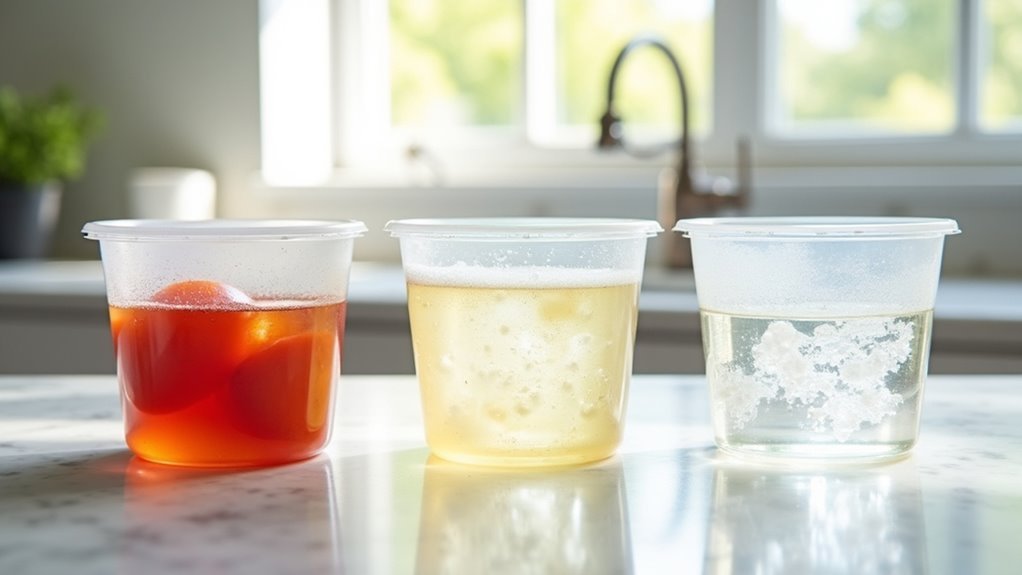
Don’t let stained and sticky Tupperware diminish your food storage options.
With simple household ingredients like baking soda, Dawn detergent, and a little patience, you can transform your grimy containers into sparkling clean storage solutions.
The baking soda paste method stands out as particularly effective, not only removing unsightly stains but also eliminating lingering odors that can affect food taste.
Baking soda doesn’t just clean—it revitalizes, erasing both stubborn stains and food odors in one simple application.
These cleaning techniques do more than just restore your containers—they save you money by extending the life of items you already own.
Rather than tossing discolored containers and purchasing replacements, take 15 minutes to apply a paste or let them soak overnight.
Next time you’re faced with tomato-stained or greasy Tupperware, remember that restoration is possible.
Your containers can look nearly new again with minimal effort and inexpensive supplies.
Regular cleaning is essential for maintaining proper food storage hygiene, so give these methods a try before you give up on your faithful food storage containers—your wallet and the environment will thank you.