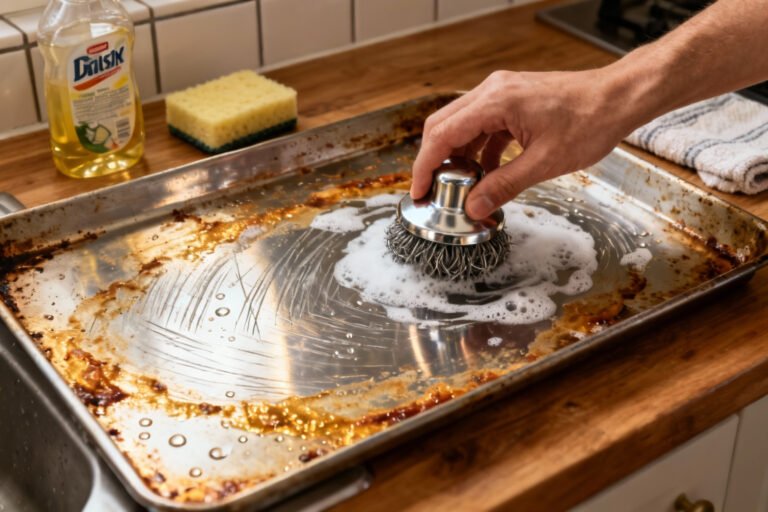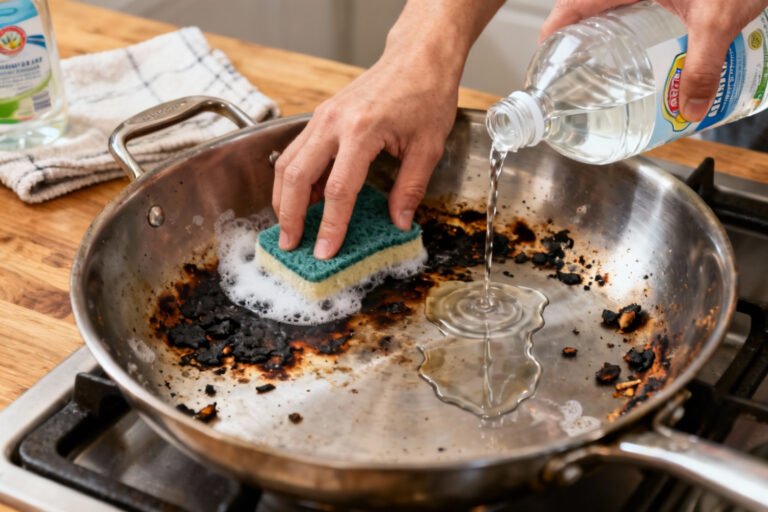
Burnt grease in a pan is a common kitchen frustration, but it’s far more than just a minor annoyance. That stubbornly dark residue isn’t just unsightly; it’s a sticky, porous layer that, if left unchecked, can become incredibly difficult to remove, harbor bacteria, and even damage the pan itself over time. Ignoring burnt grease can lead to a buildup that’s incredibly difficult to scrub, requiring harsh chemicals and significantly more effort. Furthermore, the residue can attract new grease and food particles, creating a vicious cycle. Fortunately, with the right approach and a little patience, you can tackle burnt grease effectively and get your pan back to its former glory. This guide will walk you through a simple, step-by-step process, addressing common pitfalls and offering proven techniques.
Some of the links in this article may be affiliate links. If you make a purchase through these links, we may earn a small commission at no extra cost to you. Thank you.
Things to Do When Cleaning a Pan With Burnt Grease
- Allow it to Cool Completely: Trying to clean a hot pan with burnt grease is a recipe for disaster. The heat will cause the grease to vaporize and spread, making it much harder to manage and potentially dangerous. Patience is key – let the pan cool down completely before attempting any cleaning.
- Soak it in Hot Water: This is your first line of defense. Fill the pan with very hot water and add a generous amount of dish soap. The hot water helps to loosen the burned-on food, and the soap provides the necessary lubrication to break down the grease. The longer you soak, the better.
- Add Baking Soda: Baking soda is a mild abrasive and a fantastic degreaser. Adding a few tablespoons to the soaking water will significantly boost its cleaning power. It works by reacting with the grease, helping to lift it from the pan’s surface.
- Consider Salt: Coarse salt acts as an incredibly effective abrasive, gently scrubbing away the burnt residue. Adding a handful of salt to the soaking water will significantly enhance the cleaning process.
- Use a Wooden Spoon or Silicone Scraper: Once the water has softened the grease, use a wooden spoon or a silicone scraper to gently dislodge the loosened residue. Avoid using metal utensils, as they can scratch and damage the pan’s surface.
Things to Avoid When Cleaning a Pan With Burnt Grease
- **Don’t Use Excessive Heat: As mentioned earlier, heat will make the problem worse. Avoid using a hot burner or heat lamp to try and accelerate the cleaning process.
- Avoid Metal Scrapers or Abrasive Pads: While tempting to aggressively scrub, metal scrapers or abrasive pads can easily damage the pan’s surface, particularly non-stick coatings. Gentle is always better.
- Don’t Rely Solely on Dish Soap: While essential, dish soap alone isn’t usually enough to tackle deeply burned-on grease. It needs to be combined with other methods for optimal results.
- Don’t Use Bleach or Ammonia: These chemicals are highly corrosive and can damage your pan, potentially releasing harmful fumes. They’re overkill for burnt grease and should be avoided.
- Don’t Scrub Vigorously: Excessive scrubbing can damage the pan’s surface, particularly the coating. Focus on gentle, methodical movements.
Steps
- Let the pan cool completely. This is the most crucial initial step.
- Fill the pan with very hot water and add a generous amount of dish soap (about 1-2 tablespoons).
- Add 2-3 tablespoons of baking soda.
- Add a handful of coarse salt.
- Let the pan soak for at least 30 minutes, or ideally, several hours or overnight for stubborn residue.
- After soaking, use a wooden spoon or silicone scraper to gently dislodge the loosened grease.
- If needed, repeat the soaking process with fresh baking soda and salt.
- Rinse thoroughly with hot water and dry completely.
Final Thoughts
Cleaning a pan with burnt grease can seem daunting, but by following these steps and avoiding common pitfalls, you can effectively restore your cookware. Remember, patience is key – the longer you let the pan soak, the easier the cleaning process will be. Don’t be tempted to force it; a gentle, methodical approach will always yield better results and protect your pans. The most important thing is to prioritize gentle cleaning techniques to avoid scratching or damaging the surface. With a little effort and the right tools, you’ll be enjoying sparkling clean cookware in no time.
It’s also important to regularly clean your pans to prevent grease buildup from becoming a major problem. Investing a little time in preventative cleaning will save you a significant amount of frustration down the road. Consider a quick soak and scrub after each use to maintain your cookware’s performance and longevity.
Disclaimer: This article provides general guidance. Always refer to the manufacturer’s instructions for your specific cookware. Different materials (stainless steel, non-stick, cast iron) may require different cleaning approaches. Please prioritize safety and responsible cleaning practices.