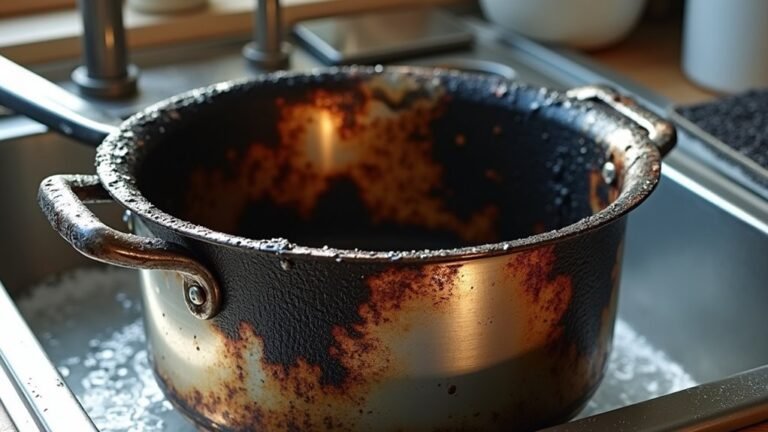
We’ve all faced this problem—our Traeger grill just isn’t cooking like it used to. Most times, a dirty fire pot is causing the trouble, leading to food cooking unevenly or the grill not starting properly. Many of us wait too long to clean our grills, only dealing with it when something goes wrong. While cleaning your Traeger’s fire pot might look like a big job, it’s actually quite simple once you know what to do.
Some of the links in this article may be affiliate links. If you make a purchase through these links, we may earn a small commission at no extra cost to you. Thank you.
According to Traeger Grills’ official maintenance guide, “A clean fire pot is crucial for proper temperature control and optimal smoke production in your grill.”
Think of the fire pot like the heart of your grill – when it’s clogged with old ashes and debris, it can’t work right. Just like you need to clean your kitchen stove, your Traeger needs regular cleaning to work its best. Let’s learn how to get this basic but important job done.
Firepot Cleaning Essentials
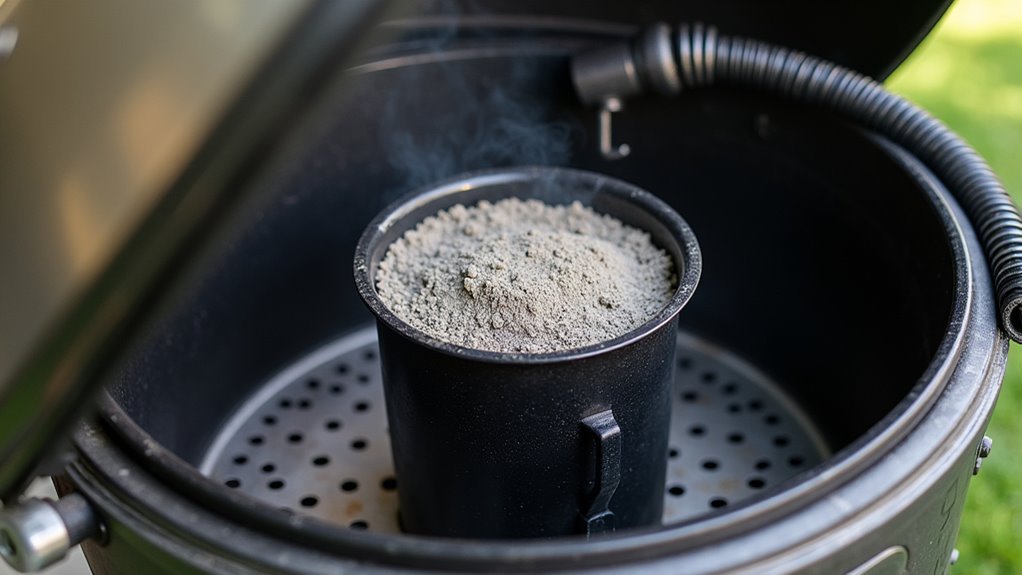
The firepot is the heart of your Traeger grill, and keeping it clean isn’t just about maintenance—it’s about preserving your outdoor cooking experience. We’ve found that rust can appear in less than a year if neglected, so we recommend cleaning every 20 hours of cooking time. You’ll need a wire brush, scraper, vacuum, and perhaps some grape seed oil to prevent future rust. Regular cleaning is vital for long-term performance of Traeger grills.
##
Let’s take a look at what really matters when cleaning your Traeger fire pot, as well as what you should avoid at all costs. It’s essential to maintain a clean fire pot for optimal performance to ensure your grill operates efficiently.
I think we’ll cover the step-by-step process in detail, then wrap up with some final thoughts on keeping your grill performing at its best.
We’ve been using these techniques for years and they’ve never let us down.
Things to Do When Cleaning The Traeger fire pot
Cleaning your Traeger fire pot is essential maintenance that guarantees your smoker operates efficiently and extends its lifespan.
A clean fire pot promotes proper airflow, consistent temperature control, and reliable ignition—all vital elements for successful smoking sessions.
Accumulated ash, sawdust, and rust can greatly impair your grill’s performance, leading to uneven cooking and potential startup failures.
- Remove the fire pot – Unscrew the four securing screws and carefully lift out the fire pot to access its interior components for thorough cleaning.
- Vacuum thoroughly – Use a dedicated ash vacuum to remove all residual ash and sawdust from inside the fire pot to restore ideal airflow.
- Clean the Hot Rod Igniter – Unscrew the set screw to access the igniter and carefully remove any buildup to guarantee reliable startup performance.
- Address rust issues – Wire brush and scrape away any rust formation from the fire pot surfaces, especially important in humid environments.
- Apply protective coating – After cleaning, apply a light coat of grape seed oil to the fire pot to prevent future rusting and maintain smooth operation.
- Reassemble carefully – Place the clean fire pot back in position and secure with the four screws, guaranteeing everything is properly aligned.
Things to Avoid When Cleaning The Traeger fire pot
When maintaining your Traeger grill, proper fire pot cleaning is essential for best performance and longevity.
However, certain practices can damage components and compromise your grill’s functionality if not avoided.
- Wire brushes or abrasive tools – These scratch the fire pot surface, accelerating rust formation that has been observed in units less than a year old.
- Cleaning while hot – Attempting maintenance on a hot fire pot risks serious burns and can warp components, leading to inefficient burning and temperature control issues.
- Delayed maintenance – Postponing regular cleaning allows ash to accumulate and causes screws to become rust-frozen, often resulting in breakage during removal and necessitating replacement.
- Water or moisture exposure – Introducing water during cleaning promotes rust formation, particularly in humid environments like Florida where users report rapid deterioration.
- Overtightening screws – Applying excessive force when reassembling can damage the small threads on fire pot components, causing them to seize or break, especially when already compromised by rust.
Steps
Cleaning your Traeger fire pot regularly is essential for maintaining ideal grill performance and preventing rust buildup that can damage your grill over time.
A thorough cleaning guarantees proper airflow, efficient pellet burning, and reliable ignition for your future grilling sessions.
Step 1: Remove the grill grates, drip tray, and heat baffle to access the fire pot area.
Step 2: Unscrew the four screws securing the fire pot and carefully lift it out of the grill.
Step 3: Locate and unscrew the set screw to access the Hot Rod Igniter for cleaning.
Step 4: Use a wire brush to scrape away any rust or buildup from both the inside and outside surfaces of the fire pot.
Step 5: Vacuum the inside of the fire box to remove all loose ash and debris.
Step 6: Apply a light coat of grape seed oil to all surfaces of the fire pot to protect against future rust.
Step 7: Reassemble the fire pot by securing it with the four screws.
Step 8: Replace the heat baffle, drip tray, and grill grates to complete the cleaning process.
Final Thoughts
Maintaining your Traeger fire pot isn’t just about cleanliness—it’s an investment in your grilling future.
We’ve seen too many users deal with premature rust, especially in humid places like Florida.
##
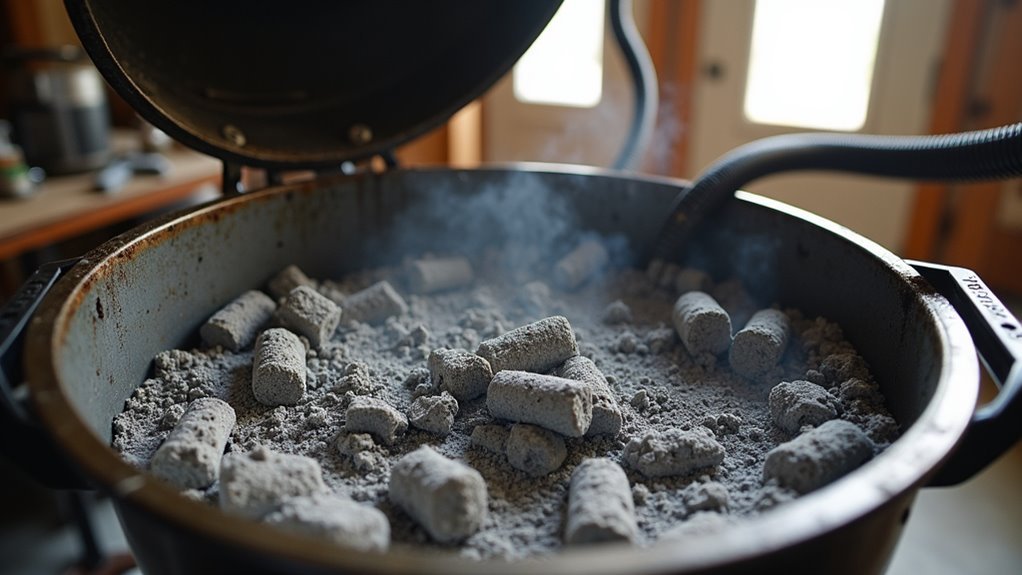
Maintaining your Traeger firepot is essential for both performance and longevity of your grill. Rust can develop quickly—especially in humid environments—but with regular cleaning and preventative measures, you can keep your firepot in excellent condition for years to come. Remember that prevention is always easier than restoration. Don’t wait until you see significant rust formation or experience ignition problems before performing maintenance. Establishing a regular cleaning schedule based on your usage frequency and climate conditions will save you time and frustration in the long run. The simple steps of removing the assembly, cleaning thoroughly with a wire brush, and applying preventative measures like silica gel packs can make a world of difference. Small maintenance habits, like backing out screws slightly during cleaning sessions, can prevent bigger headaches like broken fasteners down the road. Your Traeger is an investment in great cooking experiences. By giving your firepot the attention it deserves, you’ll guarantee consistent temperatures, reliable ignition, and the outstanding flavor that made you choose a Traeger in the first place. Remember that routine cleaning ensures reliable cooking performance and enhances your grilling experience. Take an hour this weekend to give your firepot some TLC—your future self (and your dinner guests) will thank you!