How to Clean a Honey Dipper: A Beginner’s Guide
Honey, with its rich flavor and golden hue, is a beloved ingredient and spread. But like any delicious substance, it can leave its mark – particularly on the tools we use to enjoy it. A honey dipper, when neglected, becomes a sticky, fragrant battleground for bacteria and crystallized honey. Ignoring this sticky situation isn’t just about aesthetics; it can lead to spoiled honey, potential foodborne illness, and ultimately, a diminished honey-enjoyment experience. This guide provides a thorough, beginner-friendly approach to cleaning your honey dipper, ensuring you’re getting the most out of your precious golden treasure.
Things to Do When Cleaning a Honey Dipper
The key to a successful honey dipper cleaning lies in understanding how honey behaves and using gentle, effective methods. Simply wiping with a dry cloth rarely cuts it. We need to address the sugars within the honey, which attract moisture and harbor microbes. Start with warm water – it’s gentle enough to dissolve the sugars while maintaining a reasonable temperature for hygiene. Don’t be afraid to use a little elbow grease, but always prioritize gentle movements. A soft brush can be your best friend, carefully dislodging stubborn honey crystals.
- Warm Water Soak: Submerging the dipper in warm (not hot) water for 15-30 minutes allows the honey to loosen and hydrate, making it easier to remove.
- Soft Brush Scrubbing: A soft-bristled brush (like a toothbrush or a dedicated bottle brush) gently dislodges adhered honey crystals and sugars. Circular motions are your friend!
- Dish Soap (Sparingly): A tiny amount of mild dish soap (like castile soap – known for its gentle nature) can break down the sugars and oils in the honey. Rinse *thoroughly* afterwards.
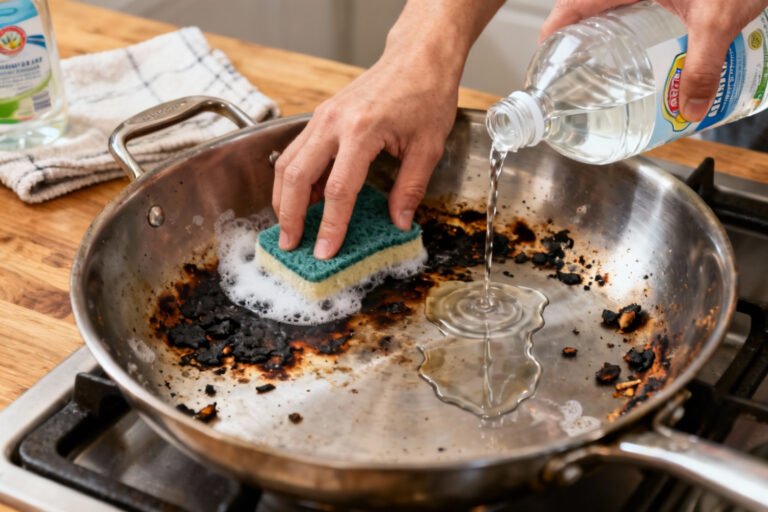
- Vinegar Rinse (Optional): A diluted vinegar solution (1 part white vinegar to 4 parts water) is a natural antibacterial agent that can help eliminate microbes. Use with caution and rinse extremely well.
- Air Drying: Allowing the dipper to air dry completely – ideally upside down – prevents water spots and ensures complete dryness, which is crucial for maintaining its luster.
Things to Avoid When Cleaning a Honey Dipper
Certain methods, while seemingly helpful, can actually damage your honey dipper or create further problems. Avoiding these pitfalls is just as crucial as employing the correct cleaning techniques. Excessive force can scratch delicate materials, and using harsh chemicals or overly hot water can damage the dipper’s finish or introduce unwanted bacteria. Remember, you’re preserving the honey, not battling it!
- Hot Water: While warm water is helpful, boiling water can damage the dipper’s material (especially wood or silver) and potentially alter the honey’s flavor.
- Harsh Chemicals: Avoid using abrasive cleaners, bleach, or solvents. These can damage the dipper and contaminate the honey.
- Metal Scrubbers: Steel wool or scouring pads are far too abrasive for most honey dippers and will likely scratch the surface.
- Leaving it Soaked for Extended Periods: Prolonged soaking can lead to water spots and encourage bacterial growth. Aim for quick and efficient cleaning.
Steps
- Initial Soak: Immediately after use, submerge the dipper in warm (not hot) water for at least 15 minutes. This allows the honey to begin loosening.
- Gentle Scrub: Using a soft-bristled brush, gently scrub the interior and exterior of the dipper, paying attention to areas with stuck honey.
- Dish Soap Application (If Needed): If stubborn honey remains, add a *tiny* amount of mild dish soap to the dipper and scrub again.
- Vinegar Rinse (Optional): If desired, add a diluted vinegar solution and scrub gently.
- Thorough Rinse: Rinse the dipper *repeatedly* with clean warm water until all traces of soap or vinegar are gone.
- Drying: Turn the dipper upside down and allow it to air dry completely. Use a soft, lint-free cloth to buff the surface if desired.
Final Thoughts
Cleaning a honey dipper isn’t a complex task, but it’s a detail that reflects your appreciation for the product. By following these simple steps – soaking, gentle scrubbing, and thorough rinsing – you’re safeguarding your honey and extending the life of your dipper. Remember, consistent cleaning prevents buildup, minimizing the risk of bacteria and ensuring your honey retains its optimal flavor and quality. Don’t let a sticky dipper ruin your honey experience.
This method focuses on gentle removal and preventative measures. Maintaining a clean dipper isn’t just about hygiene; it’s about respecting the delicate nature of honey and ensuring you’re always enjoying its purest form.
Do you want to delve deeper into food preservation techniques or explore other ways to keep your kitchen clean and hygienic? You might also find helpful resources on reputable food safety websites like the USDA Food Safety and Inspection Service or the Centers for Disease Control and Prevention (CDC).