Things to Do When Cleaning a Sheet Pan
Let’s start with the basics. Successful sheet pan cleaning hinges on a methodical approach that addresses the various types of residue. First, don’t delay! The longer the food sits, the harder it will be to remove. A warm pan is considerably easier to clean than a cold, hardened one. The key is using the right combination of heat, cleaning agents, and a little elbow grease. Understanding these techniques will significantly improve your results.
Some of the links in this article may be affiliate links. If you make a purchase through these links, we may earn a small commission at no extra cost to you. Thank you.
What You’ll Need
- Hot Water: Initially, hot water alone can often loosen dried-on food particles. It’s the foundation for almost all cleaning processes.
- Dish Soap: A degreasing dish soap is crucial for breaking down fats and oils. Choose a formula known for its grease-cutting abilities.
- Baking Soda: Baking soda is a mild abrasive and excellent deodorizer. It’s particularly effective at tackling stubborn, burnt-on bits.
- White Vinegar: Vinegar’s acidity cuts through grease and can help dissolve mineral deposits. Use it with caution around some metals.
- Scrubbing Sponge or Brush: A non-scratching sponge or brush is vital for physically removing the food residue. Avoid steel wool, which can damage the pan’s surface.
- Paper towels are handy for soaking up excess water and drying the pan.
Things to Avoid When Cleaning a Sheet Pan
Now that you know what *to* do, let’s explore what you should *avoid* – mistakes that can make cleaning even harder. Over-reliance on abrasive cleaners or improper techniques can actually damage your sheet pan, leading to scratches, discoloration, and even warping. Remember, gentleness is often key.
Things to Avoid
- Steel Wool or Abrasive Pads: These can permanently scratch the non-stick coating of your sheet pan, rendering it useless.
- Harsh Chemical Cleaners: Bleach and strong drain cleaners are generally not recommended for cookware. They can damage the pan’s surface and potentially create harmful fumes.
- Soaking for Extended Periods in Hot Water Alone: While hot water helps initially, prolonged soaking can actually bake food residue into the pan, making it much harder to remove.
- Ignoring the Heat: The most effective cleaning often occurs *after* you’ve heated the pan – allowing the steam and cleaning agents to penetrate the residue.
Steps
Step 1: Immediately After Cooking – Initial Rinse
As soon as you’re done cooking (and it’s safe to handle the hot pan), rinse it thoroughly under warm running water. This will remove the bulk of loose food particles.
Step 2: Dish Soap & Scrubbing
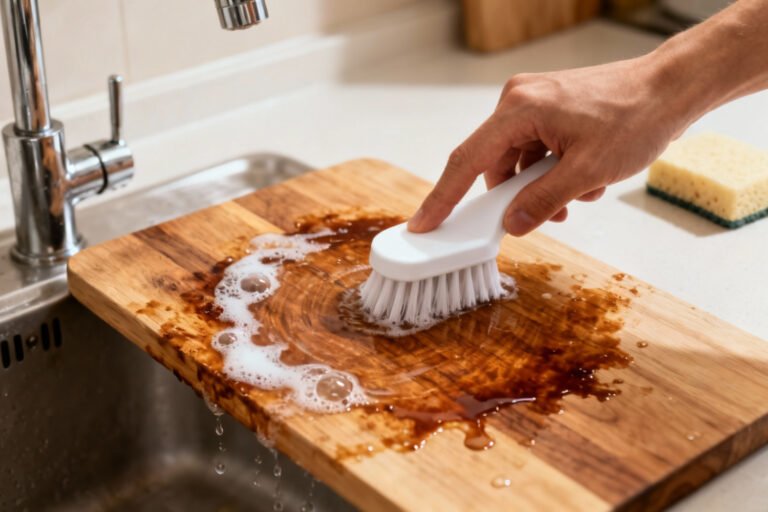
Add a generous amount of dish soap to the pan. Using a non-scratching sponge or brush, scrub the entire surface, paying extra attention to areas with stuck-on food. Apply a little extra pressure, but avoid excessive force.
Step 3: Baking Soda Paste (for Stubborn Spots)
If the food is particularly stubborn, create a paste of baking soda and water. Apply this paste to the affected areas and let it sit for 10-15 minutes. This allows the baking soda to penetrate and loosen the residue.
Step 4: Vinegar Soak (Optional)
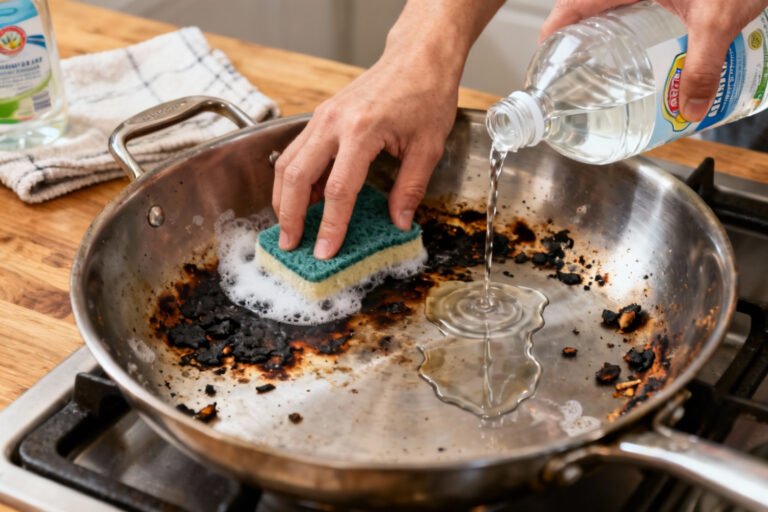
For particularly stubborn, burnt-on areas, add 1/2 cup of white vinegar to the pan. Let it sit for 15-30 minutes. The acidity of the vinegar helps to break down the fats and oils.
Step 5: Final Scrub & Rinse
After the soaking period, scrub the pan one last time with a clean sponge and warm water. Rinse thoroughly until all traces of soap and cleaner are gone.
Step 6: Drying
Dry the sheet pan immediately with a clean towel to prevent water spots and rust. Final Thoughts
Cleaning a sheet pan shouldn’t feel like a major chore. By following these steps – starting with immediate rinsing, utilizing baking soda for stubborn spots, and employing the gentle power of vinegar – you’ll be well on your way to maintaining a clean and functional sheet pan. Remember, consistency is key.